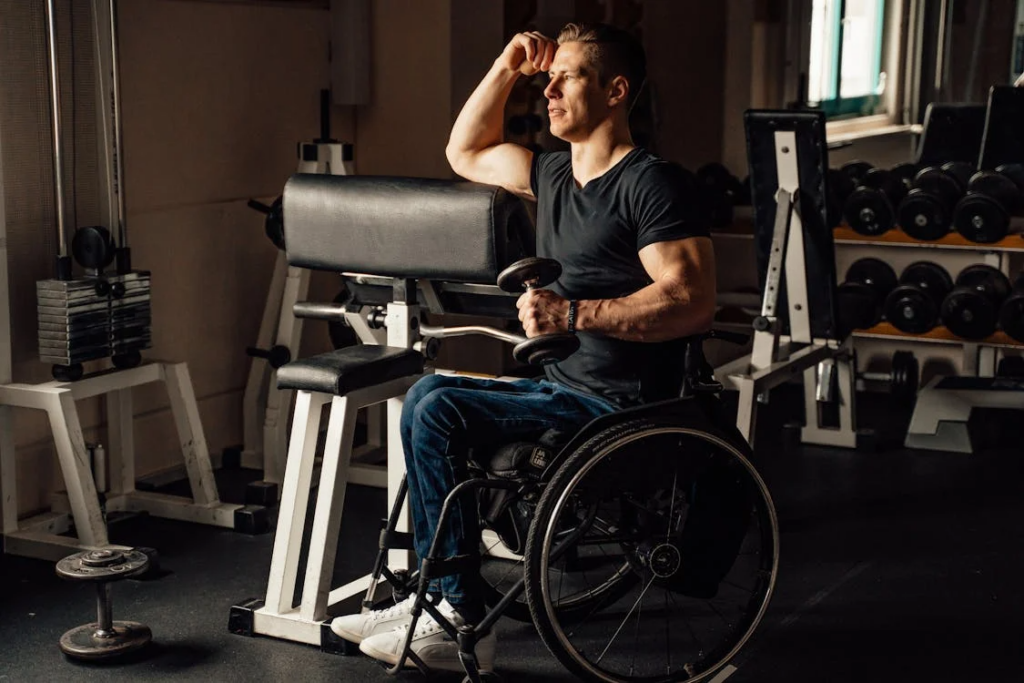
VA disability compensation can make a huge difference in a veteran’s life.
But…not if you’re leaving money on the table.
Most veterans don’t receive every dollar they deserve from VA disability compensation. This is primarily due to one thing – a weak or nonexistent service connection letter.
If you don’t have good evidence linking your condition to military service, then the VA can simply deny your claim – or rate it much lower than you deserve. That’s dollars that are literally flowing out of your pockets every month.
In this article, you’ll find:
- What Is a Service Connection Letter?
- Why Most Veterans Leave Money on the Table
- How To Strengthen a VA Disability Claim
- The Best Legal Strategies To Maximize your VA Rating
- Common Mistakes That Kill VA Claims
What Is a Service Connection Letter?
A service connection letter — sometimes referred to as a nexus letter — is a medical document that directly connects a diagnosis to military service.
In other words…
A service connection letter provides the bridge between a medical condition and military service. Without one that solidly connects the condition to time in the service, a VA claim can get denied.
Doesn’t have enough evidence? Denied.
Too weak of a correlation? Denied.
Here’s what VA medical examiners and doctors are looking for in a service connection letter:
- A confirmed diagnosis that is currently present
- Proof from a licensed medical professional that service caused — or aggravated — the disability
- Specific legal language that leaves zero room for denial
Notice the phrase “legal language.” It doesn’t matter how a doctor writes it if they use the wrong words.
When it comes to VA standards of proof, there’s only one accepted medical saying — “at least as likely as not.”
If the doctor doesn’t use that exact terminology in the service connection letter, then the VA will simply throw it out.
Why Most Veterans Leave Money on the Table
Ready for this?
Nearly 36% of VA disability claims were denied last year alone. That’s hundreds of thousands of veterans who applied for benefits they need — and didn’t get them.
Reasons for denied claims? Missing documentation, weak service connection letters, or lack of evidence.
But denial isn’t the biggest issue…
Veterans whose claims are approved often come back to receive far too low of a disability rating. VA’s combined rating system makes it hard for veterans with multiple conditions to reach higher overall percentages. The math never adds up how most people think it will.
That’s exactly why working with advocates who care about veterans — like Claim Climbers for veterans — can really help. Building a case with a strong service connection letter and overall claims strategy from day one is CRITICAL.
It’s frustrating that veterans have to deal with this — right?
But don’t worry…there are steps to take to fight back. Here’s how.
How To Strengthen a VA Disability Claim
Believe it or not, the first step to guaranteeing a strong VA rating starts with a service connection letter — and nailing it the first time will save months in appeals.
Here’s what needs to happen.
Get a private medical exam to have a doctor write a strong service connection letter. VA exams are notorious for being rushed — and usually last about 15 minutes. Find a doctor who knows VA standards and get them to write a detailed letter explaining why the condition is service-related.
Hold on to ALL medical records and keep everything related to the condition documented. Bring in buddy statements. Dig up old service records that show time in a vehicle during combat (if the condition is trauma-related). Stack that VA file high with proof that points to service connection.
Doctors must use the phrase “at least as likely as not” when submitting a service connection letter. If they don’t use that terminology, the VA will (should) toss it out.
Veterans tend to undersell how much their condition affects them. If the claim involves PTSD and a higher rating is the goal, it’s critical to convey how the condition affects daily life. It’s about quality of life — and the VA is looking for ways a condition affects yours.
Remember, it’s always easier to build a strong claim from the beginning than to fight the VA on appeal.
The Best Legal Strategies To Maximize a Rating
Alright. A rock-solid service connection letter is in hand and the VA claim is ready to go. Here are some strategies to help push that rating higher.
File for secondary conditions if applicable.
Conditions that are caused by another service-connected condition are eligible to be filed under secondary service connection. Take a knee injury that was caused by service — if back problems later developed because of that knee, that back injury can be filed as a secondary condition.
The VA paid out over $173 billion in disability benefits in 2024 alone, and a large chunk of that was awarded to veterans who maximized their disabilities by filing every condition possible.
Don’t leave any disability on the table!
Request a Higher-Level Review.
If a claim gets denied — or the rating seems too low — veterans can request what’s called a “Higher-Level Review.” What that really means is a senior VA claims specialist takes a second look at the claim from top to bottom.
This is seriously one of the most underutilized benefits for veterans who appeal their claims. If a higher rating is deserved, push for a HLR and send every piece of evidence possible to support it.
Use the TDIU Benefit.
Not sure how to file for TDIU? There’s a free guide available on exactly how to maximize that benefit.
TDIU stands for Total Disability Individual Unemployability, and while it’s a little tricky to understand — mastering TDIU can mean the difference between a 70% rating and getting 100% from VA.
If maintaining “gainful employment” is no longer possible due to service-connected disabilities, TDIU benefits can be filed. Even if the combined disability rating is below 100%, TDIU can get it there.
Claim every eligible condition.
Every condition that may qualify should be filed. Whether it’s tinnitus, sleep apnea, PTSD, or chronic pain — these can all be rated individually to help boost an overall disability rating.
Common Mistakes That Kill VA Claims
Here are a few of the most detrimental mistakes that can be made when filing for VA disability.
- Only seeing VA doctors. VA doctors can write a service connection letter — but their exams are typically nowhere near enough to justify approval. It’s always worth it to get a second opinion and private exam.
- Missing appeal deadlines. There’s an expiration date on every appeal filed. If the deadline isn’t hit (usually one year) then it’s back to square one.
- Filing a claim with no evidence. If a condition isn’t documented with hard evidence — the claim is almost guaranteed to get denied.
- Not filing for secondary conditions. As covered above, if one condition was caused by another — file it.
- Accepting the initial rating. If the rating doesn’t seem right — file an appeal. There’s 1 YEAR to do it, so take the time to make sure everything is perfect.
Let’s Review
It IS possible to claim more VA disability compensation — and it is 100% legal to do so.
Start by building the claim around a rock-solid service connection letter that has all of the proper legal language. Next, use strategies like claiming every condition, filing for secondary conditions, and utilizing benefits like TDIU to boost the disability rating.
Too many veterans are getting denied claims or leaving money on the table. Don’t be one of them.
File an appeal if needed. Dig up every piece of documentation available. Use TDIU benefits to full advantage. Just make sure every dollar rightfully deserved is being claimed.
Here’s to never settling for a low VA disability rating again.