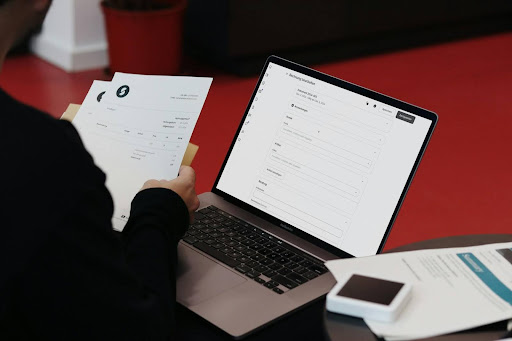
AI speeds up research by building creditor profiles in minutes instead of requiring manual searches. It also pulls together public records from multiple sources, reducing the time staff spend looking for information. Client intake notes are then pre-filled, giving counselors and legal-aid teams more time to focus on strategy.
Is your team spending more time gathering information than helping clients? AI helps organizations spend less time on data gathering, so staff have more time for client support and case preparation.
How Accurate Are the Results of AI?
AI produces reliable results when it works with accurate, up-to-date information. However, errors can still happen, so you should take some time to review the results before using them.
The best way to use AI is to treat it as a research assistant instead of a final decision-maker. Doing so gives you the best balance of speed and accuracy.
How Do I Choose the Right AI Tool?
The right AI research tool should support the way your team works. Before making a decision, check whether it can:
- Search multiple trusted data sources
- Summarize large amounts of information accurately
- Cite or link to original sources
- Flag uncertain or incomplete results
Testing the tool with real research tasks before adopting it across the organization gives a much clearer picture of how well it fits your team’s workflow.
How AI Is Making Research Faster for Organizations
AI is taking much of the repetitive work out of research and data gathering. Here are some of the most practical ways organizations are using it today:
Auto-Building Creditor Profiles
A complete creditor profile gives counselors and legal-aid teams the context they need to make informed decisions. An agent-native interface, such as AI GTM, consolidates business data through a single API, making public business information easier to gather and review. Access to organized business information makes it easier to confirm creditor details and prepare accurate case notes.
Pulling Public Records Faster
Public records give legal professionals important background information before they begin working on a case. AI can quickly gather records such as:
- Business registrations
- Court records
- Property records
- Bankruptcy filings
- Professional licenses
Staff can then spend more time reviewing the information instead of searching multiple databases.
Pre-Filling Client Intake Notes
Manually entering the same client information into multiple forms slows the intake process. AI prepares a draft using submitted forms and supporting documents.
Automation makes it easier for staff to review, edit, and complete the record. Legal teams, therefore, spend less time on paperwork and more time asking questions that move the case forward.
Protecting Privacy During Research
Using AI should never come at the expense of client privacy. To help protect sensitive information, make sure your team:
- Uses trusted AI platforms
- Shares only the information needed for the task
- Removes personal details whenever possible
- Restricts research data access to authorized users
Checking AI Results for Bias
AI can place more emphasis on some information while overlooking other details that matter, leading to incomplete results. Before relying on AI-generated research, make sure you:
- Compare the findings with trusted sources
- Check whether important viewpoints are missing
- Ask a team member to review important findings
Metrics to Measure Time Saved
Measuring the right metrics helps you see whether AI is actually reducing research time. Useful metrics to track include:
- Time spent researching each case
- Time spent preparing intake notes
- Cases completed each week
- Average client wait time
Frequently Asked Questions
What Is the Timeline for AI Implementation?
Most organizations can get started within a few days or weeks, depending on the tool they choose and how much setup is required. The biggest factors that affect the timeline include:
- Connecting existing systems
- Training staff
- Testing the workflow
Taking time to set everything up properly usually leads to a smoother rollout and fewer problems later on.
How Do You Teach Employees How to Use AI?
Employees learn AI faster when the training focuses on everyday tasks they already perform. Good AI training should include:
- Hands-on practice with real examples
- Clear guidelines for when to use AI
- Regular feedback and coaching
- Updates as new AI features become available
Making Research Faster With AI
AI helps organizations reduce research time by automatically compiling creditor profiles, pulling public records faster, and drafting client intake notes. The best results come from using AI to support research while people remain responsible for the final decisions.
Did you find this article helpful? If so, browse this site for more practical guides on improving productivity and streamlining workflows.