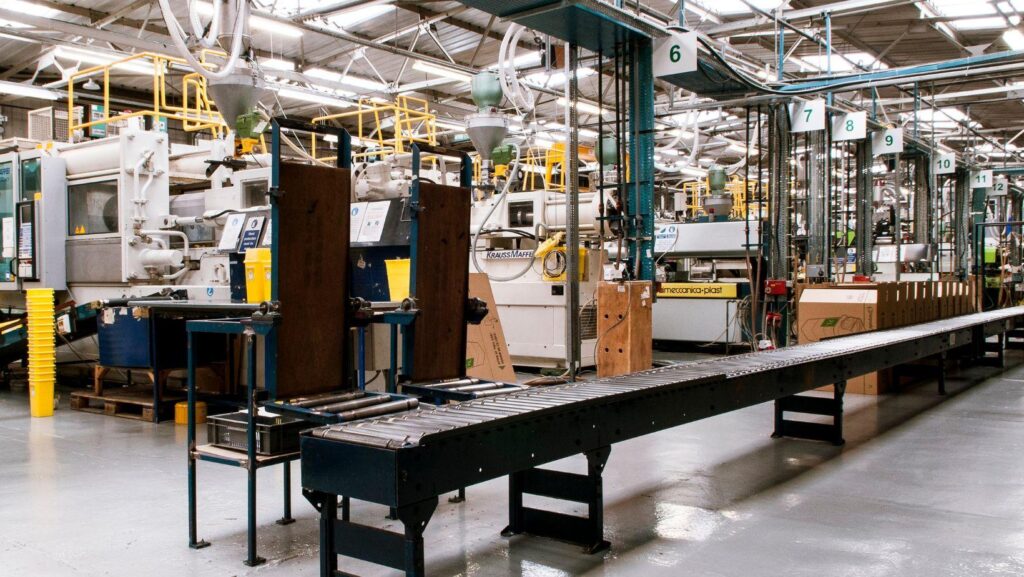
For a long time, the story of regional manufacturing was one of decline. Factories closed, skilled jobs moved overseas and communities that had been built around making things were left to find a new identity. That story is starting to change. A new generation of smaller, smarter factories is taking shape closer to home, and much of what makes them possible is technology that was simply not available a generation ago. At the centre of many of these operations sits something as unassuming as a USB3 camera, a compact imaging device that plugs straight into an ordinary computer and lets an automated system check the quality of what is being made.
This shift matters far beyond the factory gates. When manufacturing returns to a region, it brings work, training and a sense of purpose with it. Suppliers of imaging equipment, including companies such as VA Imaging, provide the building blocks that allow modern plants to run efficiently with smaller teams. The result is a kind of manufacturing that can survive and grow in places where the old, labour heavy model could not, and that is good news for communities looking to rebuild.
What Modern Factories Look Like Today
It helps to set aside the old image of the factory floor. Today’s smaller manufacturing sites are cleaner, quieter and far more reliant on careful measurement than on sheer volume of hands. Cameras and sensors check the quality of what is being made, software keeps track of where every item is in the process, and people spend more of their time setting up, supervising and improving the work rather than doing the most repetitive parts by hand.
This is not about removing people from the picture. It is about making it viable to manufacture in a high cost region at all. Automated checking means a small team can hold a consistent standard, compete on quality and take on work that would otherwise go elsewhere. For a community trying to attract investment, that viability is everything, because a factory that can compete is a factory that stays.
How This Benefits Local Communities
The advantages of bringing manufacturing back are easy to talk about in the abstract, but they become real at street level. When a modern plant opens or grows in a region, the effects ripple outward in several practical ways.
- Stable, skilled jobs: these roles tend to involve operating, maintaining and improving advanced equipment, which means better paid and more secure work than low skill, easily outsourced tasks.
- Local supply chains: a working factory needs suppliers, services and support nearby, which spreads the economic benefit across many smaller businesses.
- Training and apprenticeships: employers who rely on skilled staff have a strong reason to invest in teaching those skills locally, creating a pathway for young people.
- Reinvestment in the area: wages earned locally are spent locally, supporting shops, housing and the wider community in a way that distant employment never can.
- A sense of pride: there is real value in a community being known for making something well, and that confidence has a way of attracting further investment.
None of these benefits arrive overnight, and none are guaranteed. But each one becomes possible the moment a region can support modern manufacturing, which is exactly what the latest technology now allows.
The Skills That Will Be in Demand
A common worry is that automation simply replaces people. The reality on the ground is more encouraging. These factories need workers who can run and look after the equipment, interpret what the systems are telling them and step in when judgement is required. The nature of the work changes, but the need for capable, well trained people does not disappear.
Training the Next Generation
This is where communities and local organisations can make a genuine difference. Practical training in maintaining equipment, understanding quality systems and working alongside automated tools opens doors to stable careers. Programmes that connect young people and career changers with these skills do more than fill vacancies. They give individuals a foundation to build on and give employers a reason to commit to the area for the long term. Investment in people, in other words, is what turns a single factory into a lasting source of opportunity.
Building on Solid Foundations
Rebuilding regional manufacturing is not a quick fix, and it would be dishonest to pretend otherwise. It takes investment, patience and a community willing to back the idea that making things still has a future where they live. But the tools that make it realistic are already here, quietly proving themselves in factories that were not viable only a decade ago. When opportunity, skills and the right technology come together, communities are not just chasing the past. They are building something steady enough to last, which is the kind of foundation worth investing in.