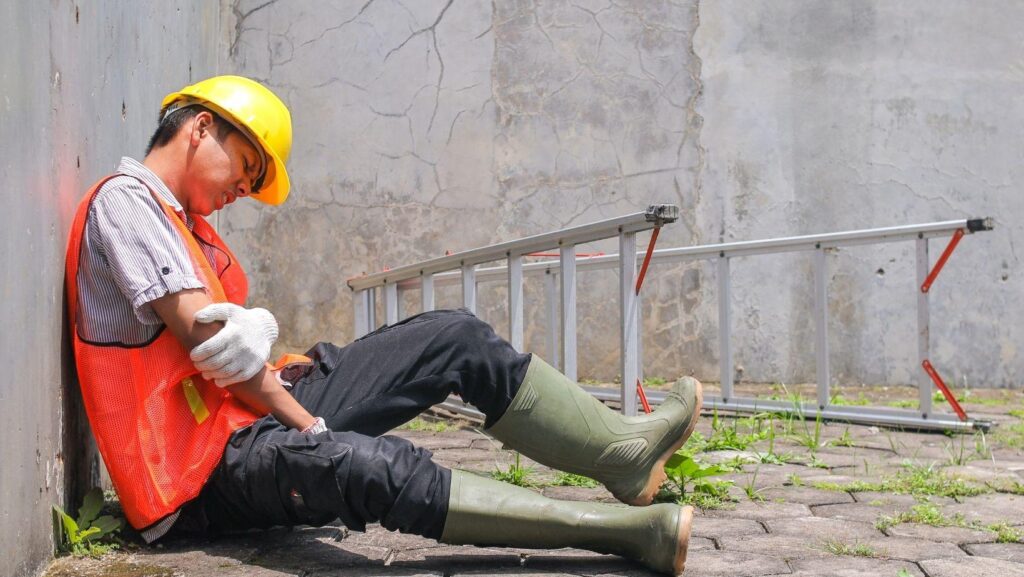
Most people expect homes, businesses, and public spaces to be reasonably safe when they visit. While no property can eliminate every possible risk, owners and managers are generally expected to address hazards they know about or reasonably should have discovered. When dangerous conditions are ignored, preventable injuries can sometimes follow.
Property-related accidents happen in many different settings. A wet grocery store floor, a broken apartment stairway, poor lighting in a parking lot, or falling merchandise inside a retail store can all create conditions that increase the risk of someone getting hurt.
The specific facts surrounding the incident often determine whether legal responsibility exists. Recognizing the different types of premises liability helps explain how these claims arise and why the condition of the property is often at the center of the legal analysis.
Slip and Fall Accidents Are Only One Category
Slip and fall cases are one of the most common premises liability claims, but they represent only one part of a much broader area of law. Wet floors, uneven sidewalks, loose carpeting, icy walkways, and unexpected changes in elevation can all contribute to serious injuries.
Whether a property owner is legally responsible depends on factors such as how long the hazard existed, whether reasonable inspections were performed, and whether appropriate warnings or repairs were provided.
The circumstances surrounding each accident are often just as important as the injury itself.
Unsafe Property Conditions Can Take Many Forms
Dangerous conditions are not limited to walking surfaces. Broken handrails, defective staircases, inadequate lighting, exposed electrical hazards, unsecured swimming pools, malfunctioning elevators, and falling objects may also create unreasonable risks for visitors.
Some hazards develop over time because of poor maintenance, while others arise from construction defects or temporary conditions that are left unaddressed.
Regular inspections and timely repairs are often important parts of maintaining a reasonably safe property.
Security Can Also Become a Premises Liability Issue
Some premises liability claims involve criminal acts committed by third parties rather than physical defects in the property itself. In certain situations, inadequate security measures may become an issue if a property owner failed to address foreseeable safety concerns.
Examples may include insufficient lighting, broken locks, malfunctioning security systems, or a lack of reasonable security precautions in locations with known safety risks.
These cases often require careful analysis of the property’s history, the surrounding circumstances, and what precautions may have been reasonable under the circumstances.
Proving Responsibility Requires More Than Showing an Injury
An injury alone does not automatically establish liability. A successful premises liability claim generally requires evidence that a dangerous condition existed, that the responsible party knew or should have known about it, and that reasonable steps were not taken to correct or warn about the hazard.
Photographs, surveillance footage, maintenance records, witness statements, and inspection reports may all become important pieces of evidence during the investigation.
Gathering that information as early as possible can help create a clearer picture of what occurred before conditions change or evidence disappears.
Conclusion
Property owners are not expected to prevent every accident, but they are generally expected to address unreasonable hazards that create unnecessary risks for visitors. When dangerous conditions are left uncorrected, serious injuries can occur in places that people reasonably expect to be safe.
Because every accident involves different facts, determining legal responsibility often requires a careful review of the property’s condition, the actions of those responsible for maintaining it, and the circumstances surrounding the injury.
The various types of premises liability illustrate that unsafe conditions can arise in many forms, making thorough investigation an important part of evaluating any potential claim.