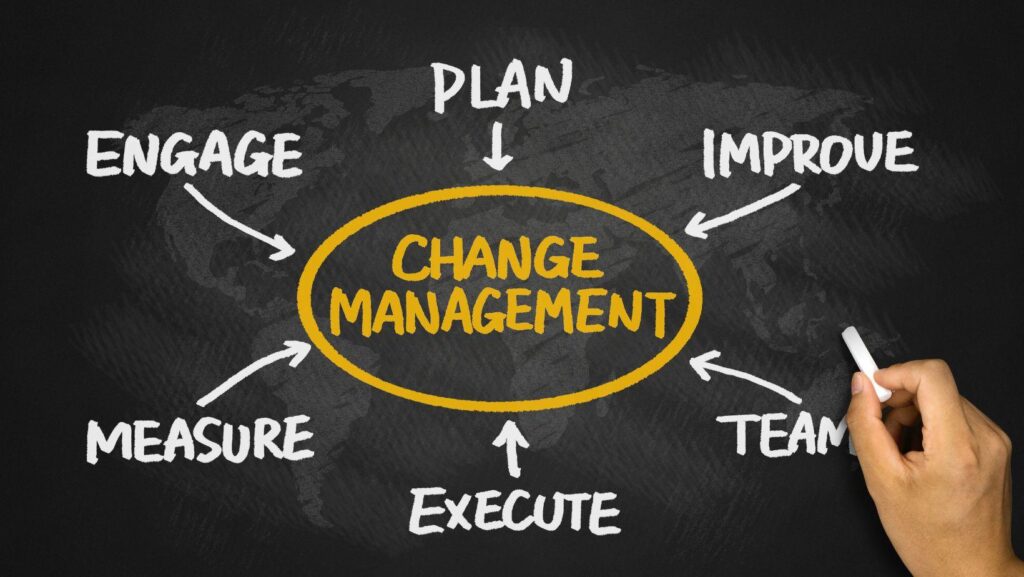
In today’s fast-paced corporate environment, managing organizational change effectively has evolved from a desirable management skill into a core strategic imperative. As enterprises undergo digital transformations, mergers, and structural realignments, the demand for certified professionals who can guide teams through transition continues to grow. Earning an AIM change management certification equips business leaders, consultants, and project managers with a field-tested methodology designed to drive sustainable organizational results.
The Accelerated Implementation Methodology (AIM) provides a structured, flexible framework that addresses the human side of enterprise change. Unlike traditional project management approaches that focus primarily on timelines, budgets, and technical deliverables, this specialized methodology emphasizes stakeholder engagement, cultural alignment, and barrier identification. By focusing on these critical human factors, certified practitioners significantly increase the probability of project success and long-term value realization.
Understanding the Human Elements of Enterprise Transformation
Organizational change inevitably creates uncertainty, which can lead to resistance among employees and middle management. Resistance is a natural human response to disruption, but when unmanaged, it can delay implementation, inflate operational costs, and diminish overall project return on investment. Professionals trained in structured change methodologies learn to diagnose the root causes of resistance early in the project lifecycle.
Through systematic assessment tools, change leaders can evaluate readiness, measure cultural fit, and identify potential implementation risks before they disrupt progress. This proactive stance enables project teams to design targeted communication and training programs that address specific employee concerns, building momentum and fostering active buy-in across all operational tiers.
Core Pillars of the Accelerated Implementation Methodology
A rigorous certification program covers several foundational pillars essential for leading successful organizational transitions. These include establishing strong, visible executive sponsorship, creating a clear strategic narrative, and building a network of change agents distributed throughout the organization. Executive sponsors play a decisive role by reinforcing expectations, allocating necessary resources, and modeling new behaviors.
Equally critical is the role of change agents. Individuals positioned at various operational levels who advocate for the transformation within their respective departments. By empowering these local leaders with structured tools and techniques, organizations establish a supportive network that facilitates peer-to-step alignment and accelerates learning curves.
Overcoming Implementation Barriers and Sustaining Momentum
Every complex project encounters unforeseen obstacles during execution. Whether stemming from legacy technology constraints, competing priorities, or communication gaps, implementation barriers must be identified and resolved systematically. Certified professionals are trained to conduct regular pulse checks and implementation audits to detect friction points early.
Maintaining momentum throughout long project lifecycles requires structured celebration of key milestones. By breaking large-scale transformations into manageable phases, leadership teams can demonstrate progress, maintain enthusiasm, and reinforce the business rationale behind ongoing efforts. This disciplined execution model minimizes initiative fatigue and keeps project teams focused on strategic objectives.
Measuring Results and Sustaining Long-Term Change
A key advantage of formal certification is learning how to quantify the impact of change initiatives. Successful practitioners do not rely on subjective impressions; they utilize defined metrics to track adoption, proficiency, and organizational alignment. By continuously monitoring key performance indicators, project managers can make data-driven adjustments during execution and demonstrate clear value to executive leadership.
Long-term sustainability requires embedding new behaviors into standard operating procedures, performance metrics, and recognition systems. When changes are reinforced consistently over time, they transition from temporary project goals into permanent organizational habits. Certified change managers ensure that transformation efforts yield enduring improvements that strengthen the enterprise’s competitive position.
Career Advancement and Enterprise Value
For individual professionals, obtaining a recognized credential in change management validates expertise and opens new avenues for career progression. Organizations across healthcare, finance, technology, and manufacturing actively seek leaders who can navigate ambiguity and deliver complex projects on schedule. Certified practitioners serve as trusted advisors capable of steering high-stakes initiatives to completion.
For enterprises, investing in certified talent builds internal capability, reducing reliance on external consultancies for every major initiative. Over time, an organization with a strong baseline of certified change leaders develops an agile, resilient culture capable of adapting swiftly to market shifts, regulatory updates, and technological advancements.