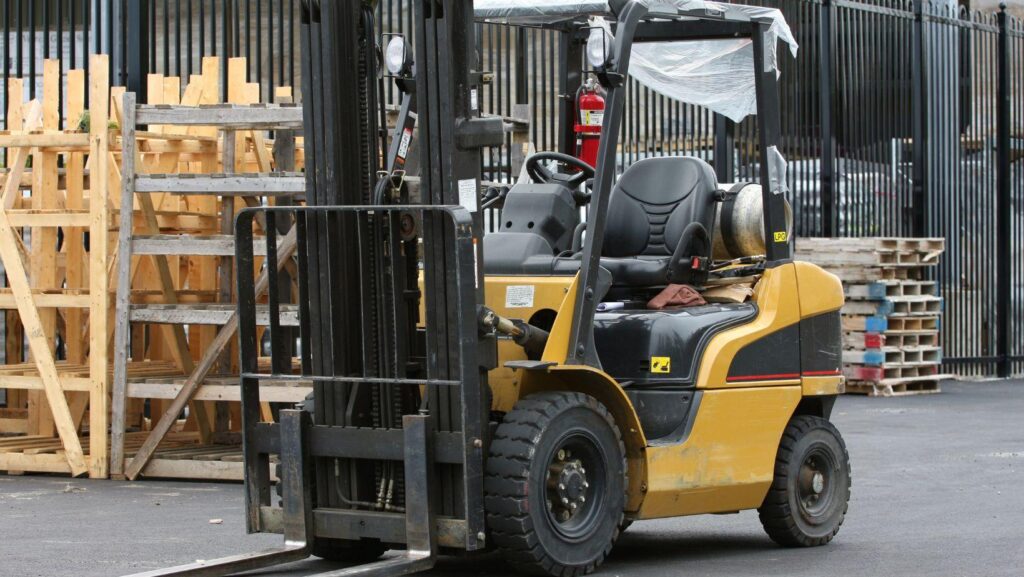
Forklifts are built for hard work, but they are not indestructible. In warehouses, yards, and production facilities, these machines absorb constant pressure: long shifts, heavy loads, tight turns, rough surfaces, and often a rotating cast of operators. Over time, that wear shows up in the same places again and again—tyres, hydraulics, brakes, mast components, and power systems.
The difference between a forklift that delivers years of reliable service and one that becomes a recurring maintenance headache rarely comes down to luck. It usually comes down to decisions. Not dramatic ones, either. Small, consistent maintenance choices often have the biggest impact on lifespan, safety, and cost.
Why lifespan is really a maintenance question
It is easy to think of forklift lifespan as a fixed number tied to age or hours of use. In practice, two trucks of the same model can perform very differently after a few years in service. One may still be dependable. The other may already be expensive to run, with repeated downtime and a growing list of repairs.
Why does that happen? Because usage conditions matter, but maintenance discipline matters more.
A forklift that gets basic inspections, prompt servicing, and proper operator attention is far less likely to suffer cascading failures. A neglected machine, on the other hand, often develops one minor issue that puts strain on another system. A worn tyre changes load balance. Low hydraulic fluid increases heat. Dirty filters make the engine or motor work harder. Eventually, what could have been a low-cost fix turns into a major repair.
This is why the smartest maintenance plans focus less on reacting to breakdowns and more on controlling wear before it escalates.
Preventive maintenance beats emergency repair
Reactive maintenance feels cheaper in the short term. If the forklift still runs, many businesses understandably keep it in operation and delay service until something forces the issue. But that approach almost always costs more over time.
Small checks prevent larger failures
Daily and weekly inspections are not just a compliance exercise. They are one of the few opportunities to spot changes before they become expensive. A slight fluid leak, unusual tyre wear, sluggish lifting, or a new vibration under load can all signal problems early.
Operators and supervisors who understand the value of these checks tend to catch issues when repairs are still manageable. That is a major reason why preventative routines consistently outperform a “fix it when it breaks” mindset.
A good example is the set of maintenance habits that help reduce repair costs. The most effective routines are usually simple: staying on top of fluid levels, battery care, tyre condition, cleaning, and scheduled servicing. None of those tasks are especially complex, yet together they can significantly extend service life and reduce unplanned downtime.
Service intervals should reflect reality, not just the handbook
Manufacturer guidance is the starting point, not the whole strategy. A forklift used indoors on smooth floors during one daytime shift lives a very different life from one working outdoors in dust, cold, rain, or multi-shift operations.
That means service intervals should reflect actual operating conditions. High-intensity environments often need more frequent inspections of:
When maintenance schedules match the real workload, forklifts stay safer and more reliable.
Operator behaviour has a bigger impact than many realise
Maintenance teams can do excellent work, but careless operation can undo it quickly. Harsh braking, aggressive cornering, overloading, and repeated impacts with racking or dock plates all accelerate wear.
Training protects the machine as well as the operator
Operator training is often discussed as a safety issue, which it absolutely is. But it is also a maintenance issue. Skilled operators are less likely to drag forks, strike pallets, overload trucks, or ignore changes in machine behaviour.
Even simple habits make a difference. Allowing a forklift to warm up properly, reporting faults early, and handling loads smoothly can reduce strain across several major components. When businesses treat operators as part of the maintenance process, equipment tends to last longer.
Reporting culture matters
One of the most overlooked maintenance decisions is whether operators feel encouraged to report small issues. In some workplaces, people stay quiet because they do not want to be blamed for delays or taken off task. That silence is expensive.
A forklift with a strange noise or inconsistent steering should not stay in rotation for another week just because the problem seems minor. Creating a culture where reporting is expected—not discouraged—helps teams intervene before damage spreads.
Data helps separate routine wear from warning signs
Many fleets still rely heavily on memory, paper checklists, or rough estimates of service history. That can work for a small operation, but it becomes risky as equipment numbers grow or usage patterns change.
Track the right indicators
You do not need a highly complex system to make better decisions. What matters is tracking the signals that reveal developing problems: hours used, frequency of repairs, recurring fault types, battery performance, tyre replacement rates, and downtime patterns.
Over time, these records show which forklifts are operating normally and which are becoming cost-intensive. That is useful for planning maintenance, but it also helps with a difficult question: when should you repair, rebuild, or retire a truck?
A forklift that needs predictable, low-cost servicing is one thing. A forklift with repeated hydraulic issues, chronic electrical faults, and frequent downtime is another. Good records make those distinctions clearer.
Long-term reliability comes from consistency
There is no single trick to extending forklift lifespan. It is usually the result of steady, unglamorous discipline: inspecting equipment properly, servicing it on time, training operators well, and acting quickly when something changes.
Think in total cost, not immediate spend
The cheapest maintenance decision today is not always the most cost-effective one this year. Postponing tyre replacement, skipping a planned service, or continuing to run a truck with an unresolved minor fault may preserve cash in the moment. But those choices often increase downtime, labour disruption, and parts costs later.
Businesses that get the best value from their forklifts tend to think in terms of total operating cost rather than isolated repair bills. They understand that lifespan is not only about keeping a machine running; it is about keeping it productive, safe, and economical to own.
In the end, smart maintenance decisions are rarely flashy. They are practical, repeatable, and often easy to overlook. But taken seriously, they can add meaningful years to a forklift’s working life—and make those years far less expensive.