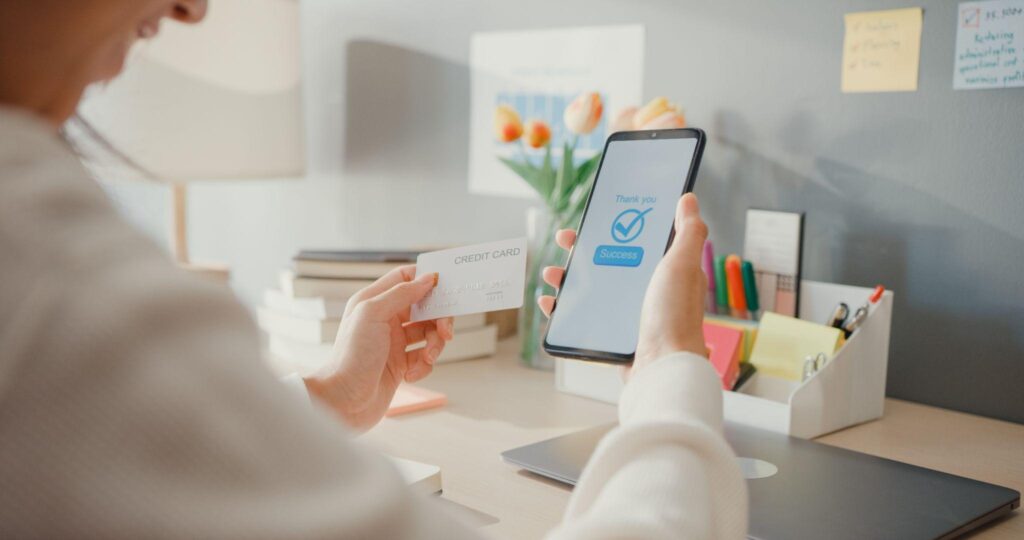
Most people treat online checkout as routine. You enter a card number, a digital wallet opens, and a receipt appears. The transaction feels complete. Yet if a seller disappears, your account is compromised, or funds go somewhere you did not intend, the small details suddenly become important.
Consumer protection is not just about regulations and court cases. It is also about how you pay, what records you keep, and how quickly you respond. A little caution now can prevent a much bigger problem later.
Why Your Payment Choice Affects Protection
Different payment options do not provide the same level of protection. Many methods allow you to transfer money, but the steps available after a fraud claim, an incorrect charge, or a missing delivery can vary considerably.
The U.S. Federal Trade Commission suggests using credit cards for online purchases where possible. The FTC notes that credit cards usually provide better dispute options. This matters when an order never arrives, an item is not as described, or a charge is incorrect. The FTC also warns that many scams rely on payment methods that are difficult to reverse.
|
Payment method |
Typical advantage |
Main point to watch |
|
Credit card |
Strong dispute options |
Check statements and report errors promptly |
|
Debit card |
Simple and direct |
Fraud can affect money already in your account |
|
Digital wallet |
Less direct sharing of card details |
Protection depends on the provider and how the funds are used |
|
Bank transfer |
Quick for trusted recipients |
Recovery can be difficult after an authorized transfer |
|
Gift card or cryptocurrency |
Simple in limited cases |
Money can be difficult to recover after fraud |
A checkout page can make every payment button appear equally safe. That impression can be misleading.
Security Starts Before Checkout
A secure checkout page is useful, but a padlock icon does not prove that the seller is legitimate. Fraudulent websites can still use encrypted connections. People often overlook this when a page promotes a “last chance” offer or creates a strong sense of urgency.
Before you pay, check the seller’s identity, refund policy, delivery terms, and overall reputation. If a website creates excessive urgency or requests an unusual payment method, take time to reconsider:
- Using different passwords for shopping and payment accounts;
- Enabling multi-factor authentication where possible;
- Avoiding payment links in unexpected texts or emails;
- Confirming the final amount before submitting a payment;
- Saving receipts, order confirmations, and messages from the seller;
- Checking your account activity regularly.
When comparing online services or reviewing digital platforms, https://frogo.ai/ can be part of that broader search. The main point is straightforward: ease of use is not the same as genuine protection.
Unauthorized Payments: Act Quickly
If you notice a charge or transfer that you did not approve, report it immediately. In the United States, the Consumer Financial Protection Bureau states that Regulation E applies to many electronic fund transfers. It also sets out rules for transfers you did not authorize. The protection available can vary depending on the circumstances and how quickly you report the issue.
Reviewing current account activity is not only about managing a budget. If you notice something unusual, contact the bank or payment provider through an official channel. Do not click a link contained in a message you do not trust.
Keep copies as well. Save screenshots, emails, transaction IDs, and relevant dates. These small details can become important later when a dispute is reviewed.
Refunds, Returns, and Seller Disputes
A payment issue is not always the result of fraud. A package may arrive damaged. A delivery may also fail to arrive at all. Sometimes the seller sends the wrong item or something that does not match the listing.
First, review the merchant’s return and refund procedures. Save any relevant information. If the issue is not resolved, check the dispute process offered by your card issuer, bank, marketplace, or payment service.
The FTC recommends keeping records of what you ordered, what you paid, the seller’s shipping commitment, the refund terms, and any messages exchanged with the seller. It may seem like additional work. However, if a seller claims to have no record of the transaction, a saved confirmation email can be useful.
Red Flags Worth Taking Seriously
Online payment scams may change their wording, but the tactics are often similar. A seller may pressure you to make an immediate payment. They may ask you to avoid a marketplace’s standard checkout process. They may claim that only gift cards, wire transfers, or cryptocurrency are accepted. The FTC notes that paying outside a marketplace’s usual system may cause you to lose protections associated with that platform.
Consider why the seller is trying to direct you towards a payment method that leaves you with fewer options if a problem arises. Some legitimate businesses do have unusual procedures. Even so, pressure to act quickly, combined with a payment method that is difficult to reverse, should encourage greater caution.
What Consumer Protection Really Looks Like
Effective consumer protection is both legal and practical. Regulations, card network policies, banking procedures, and marketplace terms can help. They do not replace basic care on the part of the buyer.
Know which payment method you are using. Read refund terms before making a purchase, not afterward. Keep your records. Check your statements. If a transaction is unauthorized, report it promptly.