Hearing that your newborn may have hypoxic-ischemic encephalopathy (HIE) can feel frightening and overwhelming. Parents are suddenly faced with medical terms, decisions, and concerns about the future. This guide is meant to help you understand the condition in clear and simple language.
Some families also speak with an HIE medical malpractice lawyer when they believe medical mistakes contributed to their child’s diagnosis. Not every case of HIE is preventable, but doctors must recognize warning signs and respond quickly. Understanding both the medical and practical sides of HIE can help parents feel more informed and supported.
What Is Hypoxic-Ischemic Encephalopathy?
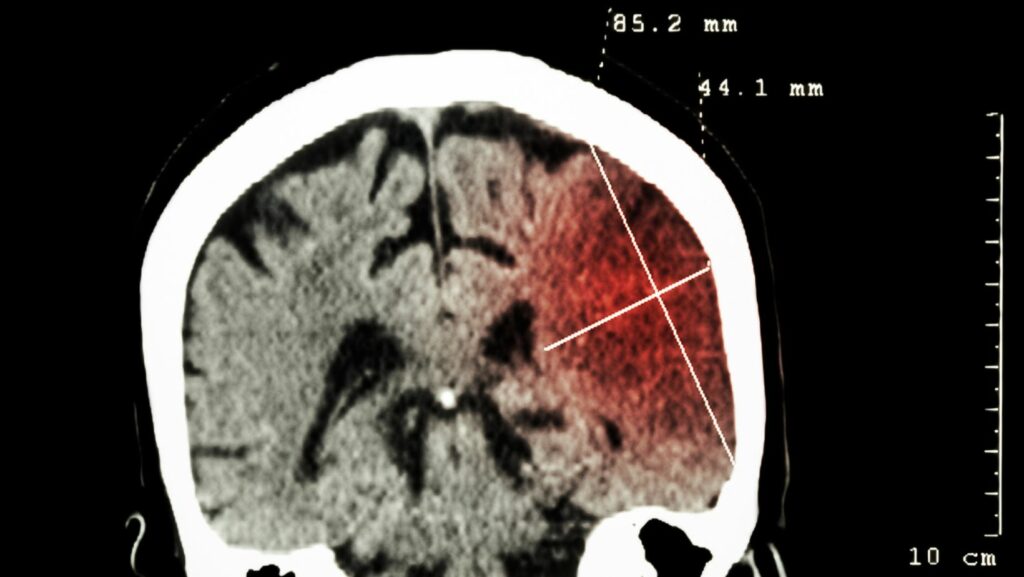
HIE is a type of brain injury that happens when a baby’s brain does not get enough oxygen or blood. This may happen during pregnancy, during labor and delivery, or shortly after birth. The severity of HIE can range from mild and temporary to serious and long-lasting.
What Causes HIE?
There are several possible causes of reduced oxygen or blood flow. Common examples include umbilical cord compression, prolonged labor, placental problems, maternal infection, or delayed emergency response. Sometimes the cause is not fully known, even after detailed review.
How HIE Affects Newborns
Newborns with HIE may have low muscle tone, trouble breathing, poor feeding, or seizures. Doctors often use Apgar scores and neurological exams to look for early signs of distress or injury. In more severe cases, babies may need help breathing or staying stable.
How Doctors Diagnose HIE
Doctors rely on physical exams, brain imaging, and lab tests to diagnose HIE. MRI scans and EEG monitoring can help determine the extent of brain injury and seizure activity. Early and accurate diagnosis plays an important role in planning treatment.
Treatments Available for HIE
One of the most common treatments for moderate to severe HIE is therapeutic hypothermia, also called “cooling therapy.” This treatment lowers the baby’s body temperature for a short period to help reduce brain damage. Babies with HIE may also receive medication, oxygen support, and specialized monitoring.
Possible Long-Term Effects
Some children recover well from HIE and grow up with minimal or no lasting challenges. Others may experience developmental delays, learning difficulties, cerebral palsy, or seizure disorders. Every child is different, and outcomes depend on the severity of the injury and the speed of treatment.
Support for Parents and Families
Raising a child with HIE can bring emotional, financial, and practical challenges.
Early intervention programs, therapy, and support groups can make a meaningful difference in a child’s progress and a family’s well-being. Many parents also find comfort in connecting with other families who understand their journey.When to Ask Questions About Medical Care
Parents have the right to clear information about what happened during pregnancy or delivery. If something does not make sense, it is appropriate to ask for explanations, timelines, and copies of medical records. Understanding the facts can help families make informed decisions about both care and support.
Key Takeaways
- Hypoxic-ischemic encephalopathy (HIE) is a brain injury caused by a lack of oxygen or blood flow to a baby’s brain.
- Causes may include cord problems, prolonged labor, placental issues, infection, or delayed medical response.
- Symptoms can include seizures, breathing difficulty, weak muscle tone, and feeding problems.
- Early diagnosis and treatments like therapeutic hypothermia can help reduce the severity of brain injury.
- Long-term outcomes vary widely, and early therapies and support can make a positive difference for many children.