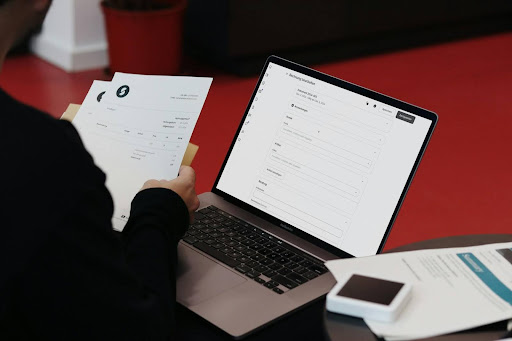
Good financial management in a business rarely comes down to one massive breakthrough. It is usually built on small, practical daily habits that keep messy books from swallowing your week.
Make Cash Reconciliation a Daily Habit
If your business accepts physical currency, counting drawers should be a non-negotiable end-of-day ritual rather than an end-of-month marathon. Waiting several days to balance the books turns a missing twenty-dollar bill into a complete mystery. When you reconcile every afternoon, transactions are still fresh in your mind, and errors are easy to spot. Keep the routine straightforward: record the system total, count the physical cash, log any variance, and lock the deposit away.
For high-volume setups handling stacks of bills and coins daily, incorporating a cash machine counter cuts down on human error and speeds up the entire closing shift. The goal is simple: build a clear, accurate paper trail every single day so you never have to play detective later.
Log Expenses the Moment They Happen
It is easy to tell yourself that you will remember to log a lunch receipt, a parking fee, or a quick run for emergency office supplies later. You probably will not. By the time the end of the month rolls around, you will find yourself staring at a credit card statement trying to figure out what a random forty-dollar transaction from three weeks ago was actually for.
Get into the habit of snapping a picture of paper receipts immediately or entering digital purchases directly into your accounting software. Taking thirty seconds to log an expense right away saves you hours of head-scratching when tax season arrives.
Look Past Your Current Bank Balance
Checking your bank account takes two seconds, but treating that single number as a green light to spend is a risky habit. That healthy cash cushion might look great on paper today, but it likely has several jobs already assigned to it:
- Payroll obligations: Wages and benefits due in just a few days.
- Tax reserves: Quarterly tax payments slowly creeping up on the calendar.
- Vendor invoices: Scheduled payments for inventory or services already rendered.
- Outstanding credits: Money sitting in your account that actually belongs to unearned deposits
A healthy account balance means very little if you do not factor in upcoming obligations. Get used to looking at short-term cash flow instead of just the top-line number so you always know what that money needs to cover.
Stay on Top of Unpaid Invoices
Unpaid invoices have a funny way of aging into uncomfortable territory if you ignore them. Asking for payment when an invoice is three days past due feels like a routine reminder. Asking for payment at sixty days past due feels like an awkward confrontation.
Block off fifteen minutes every week to review your accounts receivable. Send friendly, automated nudges before due dates arrive, and make a quick phone call as soon as a payment lapses. The earlier you address a late payment, the easier it is to collect. Keep short notes on your conversations, too. If a customer promises a payment next Tuesday, writing that down prevents you from having the exact same awkward conversation twice.
Keep Personal and Business Funds Strictly Separate
Mixing personal and business expenses is one of the easiest habits to slip into, especially when you are busy. Buying personal groceries on the corporate card because it was at the front of your wallet seems harmless in the moment, but it creates a nightmare for bookkeeping.
Keep separate accounts, separate cards, and separate records. Drawing a clear line in the sand between your personal life and your business keeps your financial health transparent, protects you during audits, and saves you from a massive sorting headache down the road.
Audit Recurring Subscriptions Regularly
Automated monthly charges are wonderful until you realize you are paying for software, storage, and memberships nobody has touched in six months. Set a calendar reminder every quarter to audit your recurring expenses.
Look for three main culprits during your review:
- Unused software: Accounts created for a temporary project that were never canceled.
- Duplicate tools: Different team members paying for separate apps that do the exact same job.
- Tier mismatches: Subscriptions for higher-tier plans when your current team size only needs basic access.
Canceling a couple of unused twenty-dollar subscriptions might not seem like much, but those small leaks add up to thousands of dollars over the course of a year.
Schedule a Short Weekly Financial Review
While daily habits keep the cogs turning, taking a step back once a week gives you real perspective. Set aside a brief, distraction-free block of time every Friday afternoon to look at the big picture. Check what came in, what went out, which invoices are still outstanding, and whether any unexpected expenses popped up. This does not need to be a formal board meeting with slides and spreadsheets. A quick fifteen-minute check-in keeps you proactive rather than constantly reacting to financial surprises.
Document Outliers and Keep Your System Simple
Not every financial transaction fits neatly into a standard category. Maybe a supplier gave you a partial refund, an employee used petty cash for an unexpected repair, or a customer paid twice by mistake. Whenever an odd transaction happens, jot down a brief note right in your accounting ledger explaining what took place. What seems obvious today will look like a baffling mistake when you review it six months from now.
Above all, make sure your financial routines are easy enough to maintain. If a process requires six different steps and three separate spreadsheets, your team will eventually stop doing it. Keep your habits light, practical, and consistent. You are not striving for mathematical perfection every second of the day; you are building a clear, reliable system that gives you complete peace of mind.