
In a country where over 96 million cars zoom around every day, car accidents can happen in an instant. Sadly, the consequences can linger for months or longer. Even crashes that seem minor at first can lead to injuries requiring medical care, follow-up appointments, or ongoing treatment.
Beyond the physical and emotional toll, many crash victims are left dealing with something just as overwhelming: medical bills. Between emergency care, diagnostics, and rehab, costs can add up quickly, often before you’ve had time to process what happened.
If you’ve been injured in a car accident and are facing mounting medical expenses, there are steps you can take to protect your financial stability and start regaining control.
What’s On the Bill?
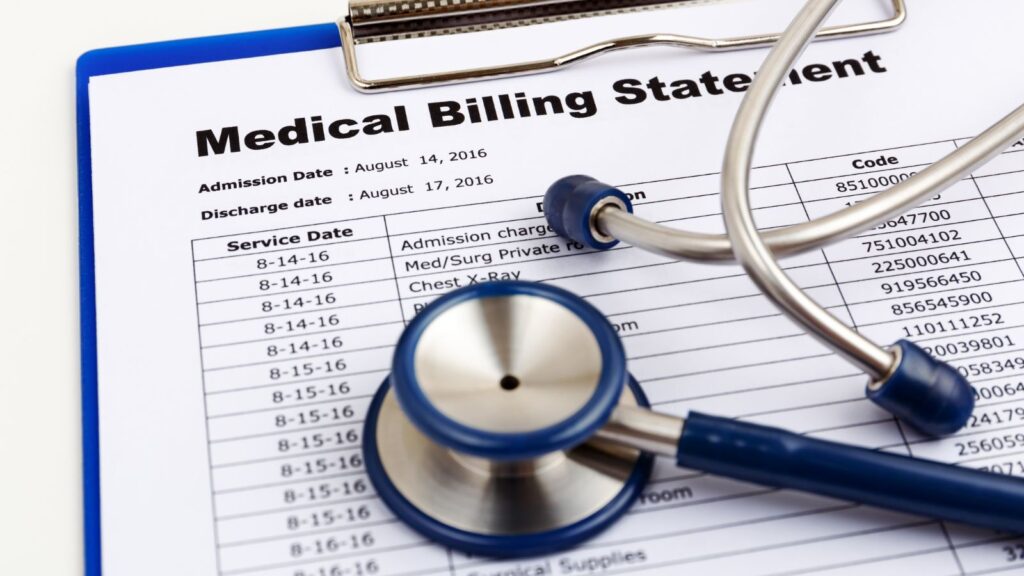
Before you start thinking about paying the laundry list of expenses you just received from the hospital, it’s important to understand what’s on it. Depending on the gravity of the accident, your bill could include the following:
- Emergency services care (independent from the hospital)
- Diagnostic and imaging
- Treatment and inpatient charges (if admitted)
It’s important to know that costs for ambulance, EMS, and ER access and staff are billed separately from hospital charges. Also, should you need post-acute and recovery services, more costs will add up in the future.
Who Pays?
The shortest path to rebuilding your finances after an accident is making sure you only pay for what you have to. The rest should be handled by auto insurance companies (yours and the other driver’s), and probably government health insurance programs (if you are eligible).
Sadly, until everything gets sorted, you may have to pay out of pocket even if you’re not the one who caused the crash. Contrary to popular belief, the at-fault driver’s insurance company does not pay your bills as they come in. They pay a lump sum at the very end. Until then, various systems kick in.
For instance, depending on your state, your own auto policy is often the primary payer for medical bills, regardless of who caused the accident. In no-fault states (FL, NY, MI, NJ), you are required to have Personal Injury Protection (PIP), which is the first used to pay bills up to your policy limit (often $10,000). You can only sue the other driver if your injuries meet a “severity threshold.”
How to Handle the Bill
In clear-cut cases, the insurance companies and medical liens will help you handle the bill. But even then, getting everything sorted requires significant effort and stress on your part. Whether things are going smoothly or not, the smartest move is to find a lawyer to represent your interests and make sure you’re getting the correct amount in compensation.
Get the Right Lawyer
What exactly does the “right lawyer” mean? For car accidents, you need a legal representative who understands the state’s specific laws and has experience handling cases similar to yours.
For example, if you’re injured in an Uber accident in Rochester, you’ll want a New York rideshare accident lawyer. If you’re involved in a collision with a truck in Anaheim, you’ll need an Orange County truck accident lawyer.
Personal injury and car accident laws can be complex, which is why working with an attorney who specializes in your specific type of case matters.
Look For Financial Assistance
If you are in a pinch, there are a few safety nets that can help you handle medical debt before it gets worse. Start researching potential plans and consult the medical staff (they are the most up-to-date on such programs).
Many people don’t know that, under federal law (Section 501(r) of the Affordable Care Act), all nonprofit hospitals are required to offer financial assistance to low-to-middle-income patients. If your household income is below a certain threshold (often between 200% and 400% of the Federal Poverty Level), the hospital may waive the bill entirely or give you a discount.
If the crash involved a crime, like a drunk driver or a hit-and-run, the state government can act as a payer of last resort. These funds can cover medical bills, mental health counseling, and lost wages that aren’t covered by insurance.
Additionally, if the accident results in an injury expected to last at least 12 months, you may be eligible for Social Security Disability to replace the lost wages.
Find the Right Solution
Medical bills can be scary, especially when you’re also dealing with trauma and recovery. But, with the right financial and legal counsel and a bit of research, you should be able to find a solution that works for you. Don’t let tough times keep you down!