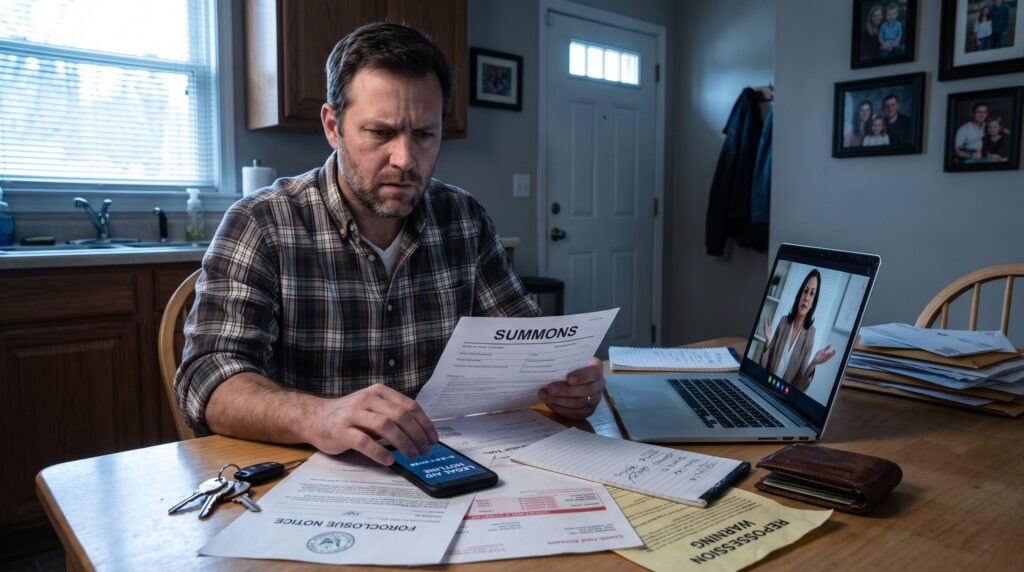
When Debt Problems May Require Legal Assistance should be considered as soon as a creditor escalates enforcement or a collector’s behavior crosses legal lines. Readers often wait until a summons arrives: that delay can cost wages, a home, or the chance to dispute identity theft. This guide gives clear, practical triggers for seeking counsel, the legal remedies available, and how to choose a debt attorney. It focuses on concrete signals and next steps so someone facing bills, threats, or confusing notices can act before small problems become irreversible.
Key Takeaways
- Seek legal assistance immediately when a creditor files suit, threatens seizure of essential assets, or collection practices become abusive or fraudulent.
- Respond promptly to any court papers or summons to avoid default judgments that can lead to wage garnishment or bank levies.
- Legal remedies for debt issues include debt validation, negotiation and settlement, court-approved payment plans, and bankruptcy, each with specific triggers and consequences.
- Choose a debt attorney experienced in consumer debt law, with local court knowledge and clear fee structures, and expect them to review your case, negotiate, and represent you in court if needed.
- Early legal intervention can protect essential income and property, preventing small debt problems from becoming irreversible crises.
- For low-income individuals, seek help through legal aid resources and always get a written engagement letter detailing services and fees before signing.
When To Get Legal Help For Debt Problems
Immediate answer: get legal help when a creditor files suit, threatens seizure of essential assets, or when collection practices feel abusive or fraudulent. These are not theoretical risks: they change what a person can do next.
A person who receives any court paper or summons should contact counsel quickly. Ignoring a complaint often leads to a default judgment within weeks, which opens the door to wage garnishment or bank levies. For example, in one midwestern county, a homeowner who ignored a summons lost access to a bank account three weeks after a default judgment. Legal advice at the summons stage can preserve options like filing an answer, requesting more time, or proposing a payment plan.
Other triggers are immediate and material: clear notices of foreclosure or repossession, and repeated threats to take possession of a car or home. When those notices arrive, a lawyer can demand verification, seek temporary stays, or negotiate a plan that avoids loss of essential property.
Two practical next steps: jot down dates and keep every notice, and call a consumer-law attorney or legal-aid hotline the same day. Local resources and quick intake can often halt a rush to collection while facts are checked.
Legal Remedies And Processes Debtors Should Know
Immediate answer: debt validation, negotiation and settlements, court-approved payment plans, and bankruptcy are primary remedies: each has specific triggers and consequences.
Debt validation forces a collector to prove the debt and chain of ownership. It’s often the first legal step when a debt is disputed. If the collector cannot validate, the claim may be dismissed or abandoned.
Negotiation and debt settlement let a debtor reduce the total owed or set affordable monthly terms. A negotiated lump-sum settlement of 40–60% of the balance occurs commonly in practice: experienced negotiators document terms to avoid future collection. Where a creditor is willing, a written settlement that clears the account and confirms no further collection is crucial.
Court processes include installment orders or consent judgments, where a court approves a payment plan under enforceable terms. Those are useful when the debtor wants predictability without filing bankruptcy.
Bankruptcy (Chapter 7 or Chapter 13 in the U.S.) is a last-resort remedy when debts are unmanageable. It stops most collection actions immediately and can discharge certain unsecured debts. But bankruptcy affects credit for years and can have tax consequences for settled debts. For guidance that places bankruptcy alongside non-bankruptcy relief, see the pillar overview on debt relief and counseling, which groups these options and helps a person match remedies to goals. relief overview
Practical warning: settlement income tax, discharged-debt reporting, and the risk of reaffirmation in bankruptcy mean legal advice is necessary before signing any final agreement.
Choosing A Debt Attorney And What To Expect From Legal Representation
Immediate answer: choose an attorney with consumer-debt experience, bar admission, local court experience, and a clear fee structure: expect factual review, negotiation, and court representation.
Practical checks: confirm state bar admission, ask how many debt-defeat or debt-defense cases the attorney handled in the last 12 months, and request sample outcomes. A candidate who handled 30 collection-defense matters last year brings procedural familiarity that a generalist may lack. Ask whether the lawyer uses contingency fees, flat fees, or hourly billing and get fee estimates in writing.
What to expect in the first meeting: the attorney will request all notices, a list of creditors, income and asset details, and authorization to contact collectors. They will explain immediate defenses, likely timelines, and whether bankruptcy is advisable. If litigation is needed, expect pleadings, discovery, and possibly mediation.
Human lesson: many clients regret waiting. One man delayed counsel until his car was repossessed: early legal contact might have preserved his vehicle through a negotiated stay. A good attorney prioritizes protecting essential income and housing, and explains trade-offs, short-term freezes versus long-term credit impact.
For low-income clients, a useful resource is the foundation’s guide to finding legal help, which lists legal-aid contacts and eligibility pointers. finding legal aid
Tip: ask for a written engagement letter that lists services, likely actions, and estimated fees before signing.
Conclusion
Immediate takeaway: legal assistance matters when a debt escalates to court, threatens essential assets, or involves harassment or fraud. Acting early preserves defenses, protects income, and can convert a crisis into a manageable plan. Readers who need a starting place can consult the foundation’s broader resources on consolidation, planning, and crisis signals to match legal steps to personal goals.